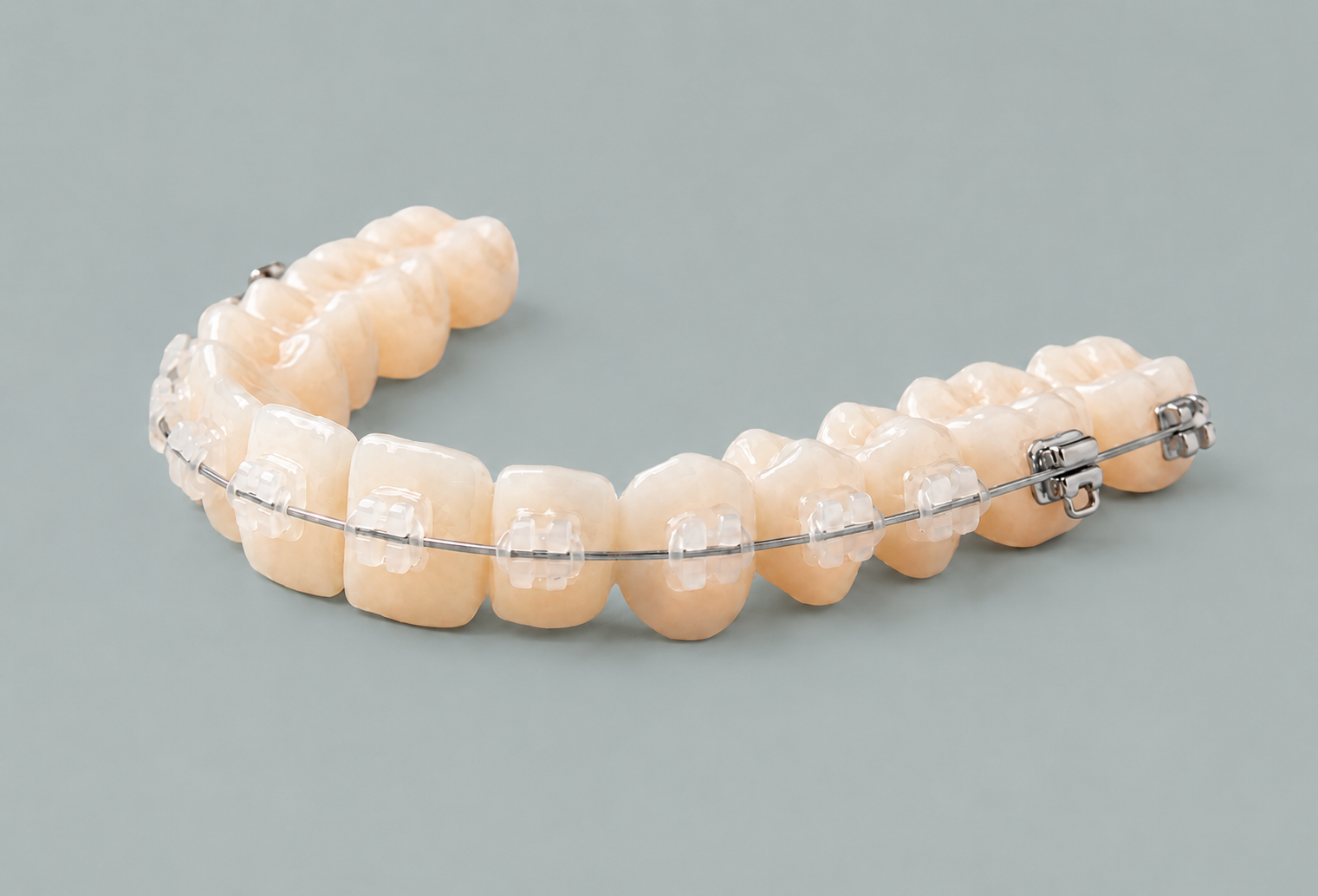
Ceramic braces
A fixed appliance whose brackets are close to the tooth color, making them much more discreet than metal braces, while offering the same effectiveness.



When we talk about orthodontics for children aged 6 to 10, we are talking about interceptive and preventive orthodontic treatment.
Preventive and interceptive orthodontics covers all the solutions that help prevent the onset or worsening of a dysmorphosis. This treatment, carried out and monitored by the orthodontist, corrects the position of the jaws and teeth before other types of complications arise unnecessarily later on.
The front teeth don't touch
Difficulty speaking or expressing yourself clearly
Poorly proportioned jaw width
Frequent mouth breathing
Teeth overlap due to lack of space
Some permanent teeth are missing
The lips are not in a harmonious position
The teeth are not well aligned
A fixed appliance whose brackets are close to the tooth color, making them much more discreet than metal braces, while offering the same effectiveness.
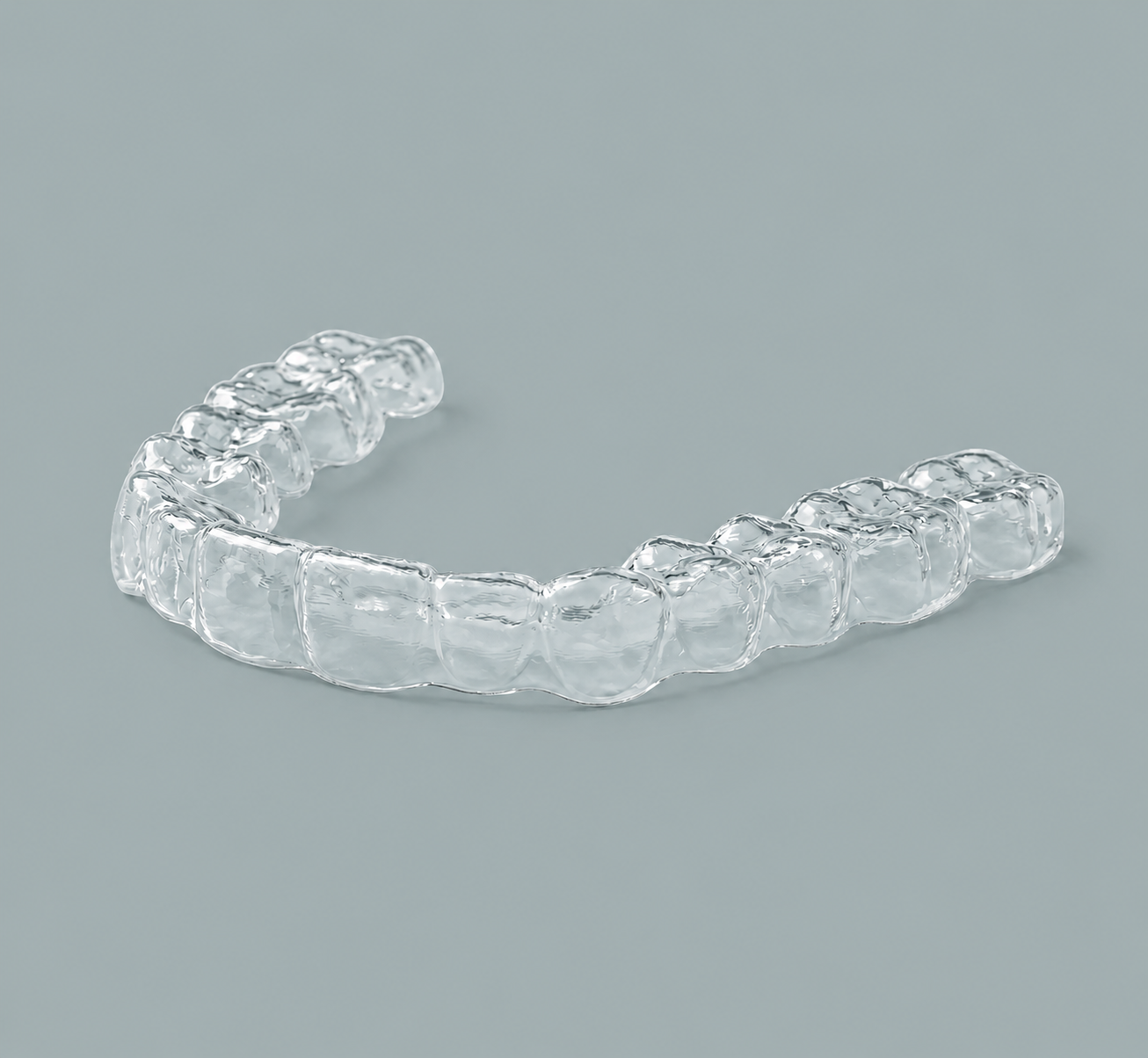
Removable, virtually invisible aligners that progressively correct tooth alignment. Ideal for teenagers and adults looking for a discreet and comfortable solution.
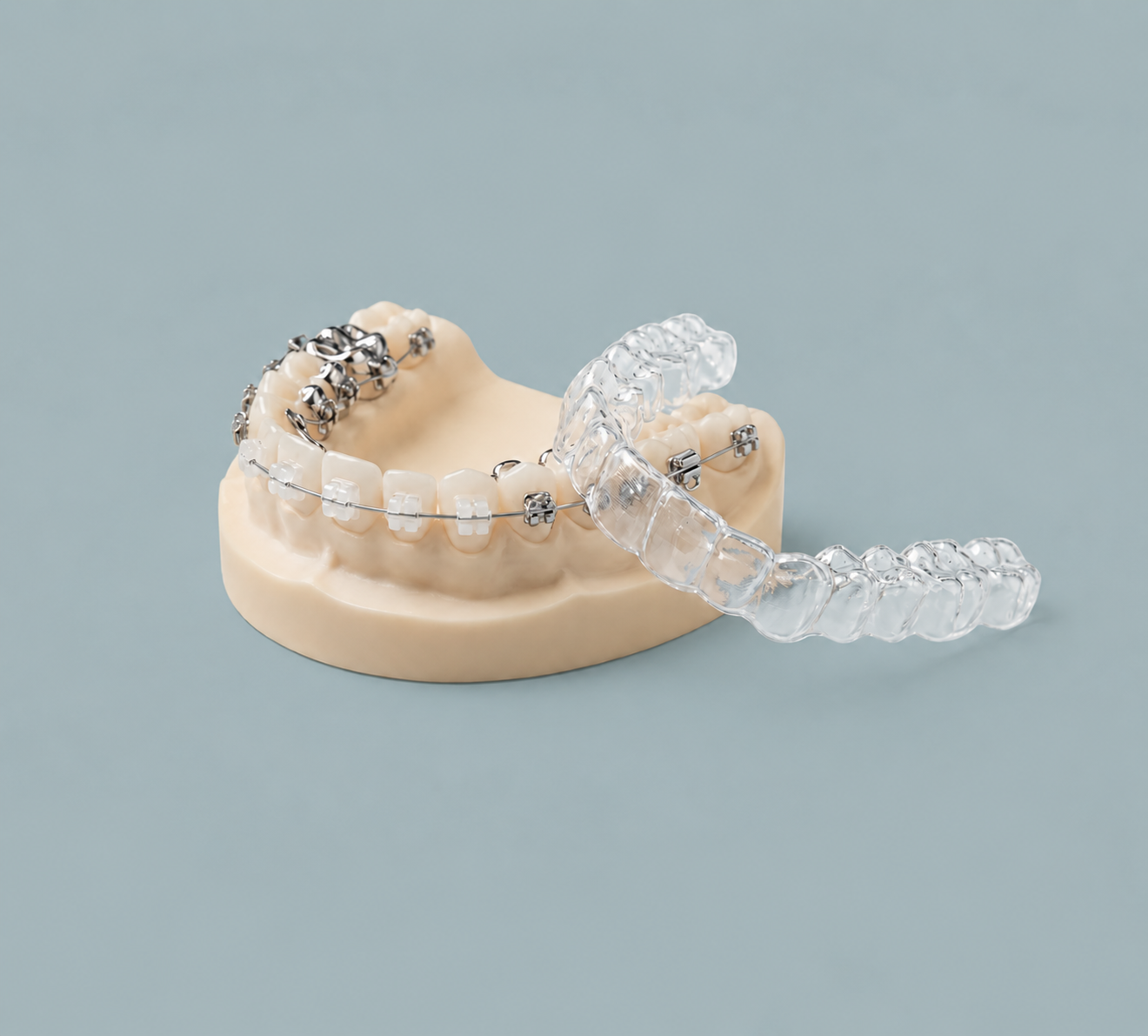
A personalized combination of different
orthodontic techniques to optimize both
treatment effectiveness and discretion.
Each treatment follows a precise process, designed to guarantee effectiveness and lasting results.
A thorough analysis and discussion of your expectations.
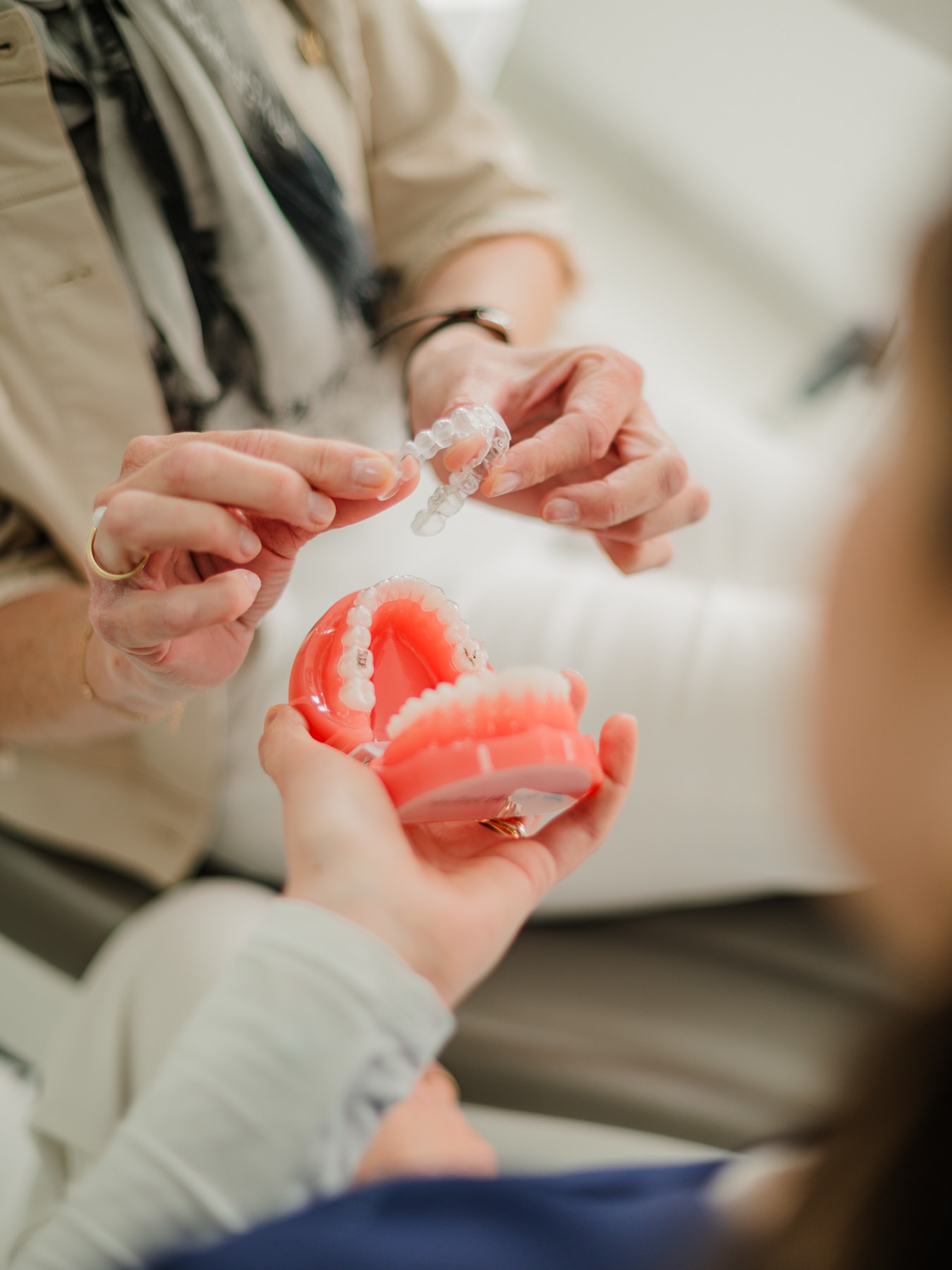
Development of a strategy tailored to your situation.

Checks and adjustments to ensure optimal progress.
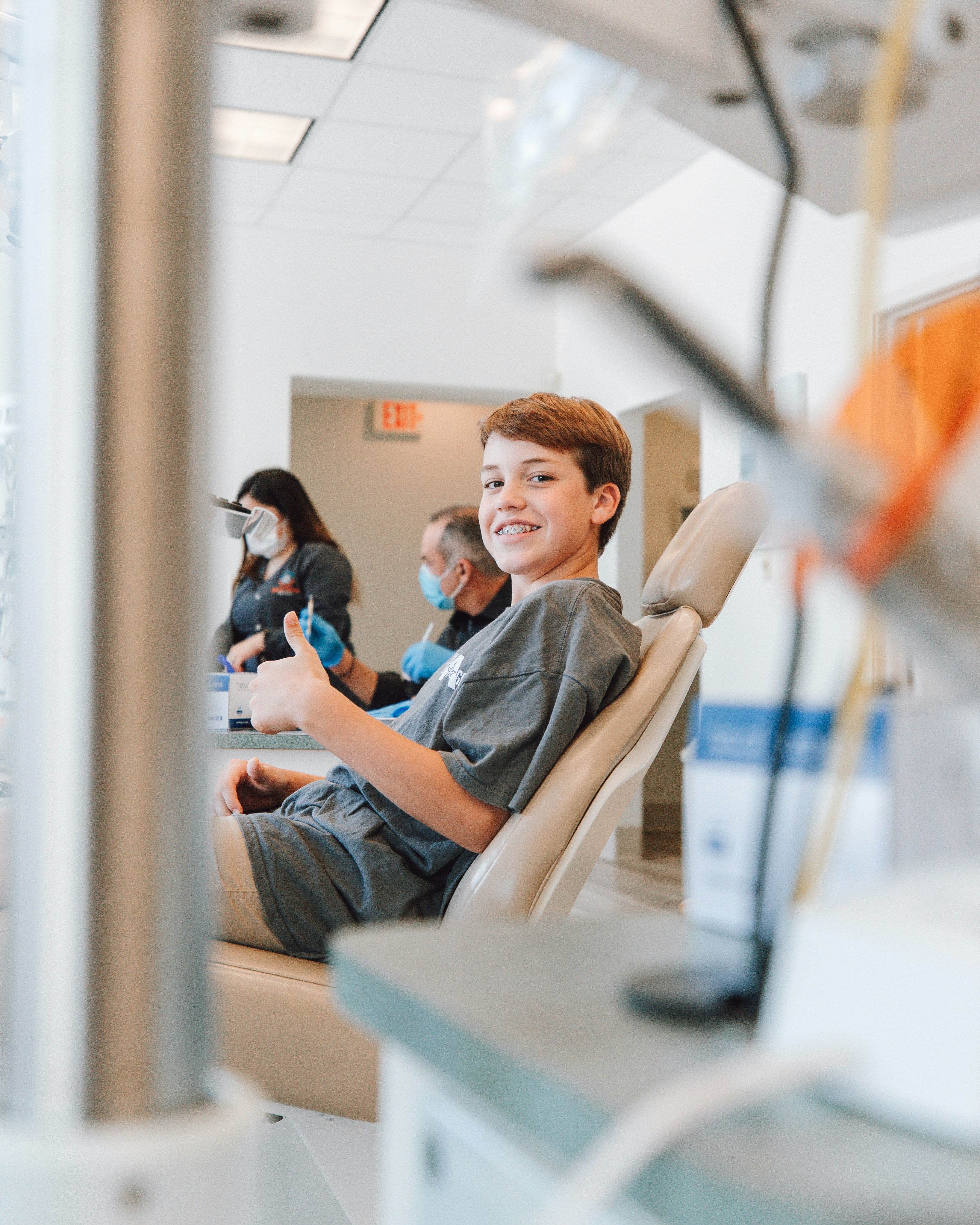
A harmonious smile that lasts over time
A thorough analysis and discussion of your expectations.
Development of a strategy tailored to your situation.
Checks and adjustments to ensure optimal progress.
A harmonious smile that lasts over time
Step 1: Diagnosis
To determine whether treatment is necessary, an initial diagnosis is carried out during the first visit. This diagnosis includes an X-ray of the teeth and a dental impression. Based on the results, the practitioner decides whether treatment is needed. If treatment is recommended, a treatment plan will be proposed to you.
Step 2: Fitting the appliance
The orthodontist fits the orthodontic appliance and adjusts it to begin treatment.
Step 3: Monthly visits
You will generally see the orthodontist on average every 4 to 6 weeks, for a period ranging from 6 to 9 months depending on the type of malocclusion diagnosed.
Interceptive treatment is a short initial phase of treatment to address a specific problem and does not constitute orthodontic treatment as such.
Preventive and interceptive treatment is recommended in the following cases:
Open bites
Open bites between the jaws caused by thumb-sucking or tongue thrust.
There is no pain. However, the child will feel slight discomfort during the first few days, which is completely normal.
Indeed, “Orthodontie Philips” offers the option of paying the total cost of treatment in several monthly installments corresponding to the length of the treatment.
Contact us for more information.
About health insurance reimbursement (2023)
Consultations: maximum 36 visits, at a maximum of 12 per year: 36 x €20.00, i.e. a maximum of €720.00! (depending on the number of visits required)
The retention phase, after active treatment: maximum 12 visits, at a maximum of 4 per year: 12 x €14.00, i.e. a maximum of €168.00 (over 3 years).
In practice
The health insurance fund is informed of the start of treatment via the INAMI codes we send you. You therefore do not need to do or submit anything to the health insurance fund beforehand.
Then: every 6 visits (with a maximum of 36 consultations), a certificate will be given to you. The reimbursement will amount to €120.00.
At the end of active treatment: at each retention check-up visit, code 305852 gives rise to a reimbursement of €14.00, up to a maximum of 4 times per year.
If you have supplementary insurance in order, you may receive an additional contribution from your health insurance fund (see documents received from the fund). If any documents need to be completed to obtain these benefits, don’t forget to send them to us!
If you would like more details, you will find below various links depending on the most common health insurance funds in Belgium