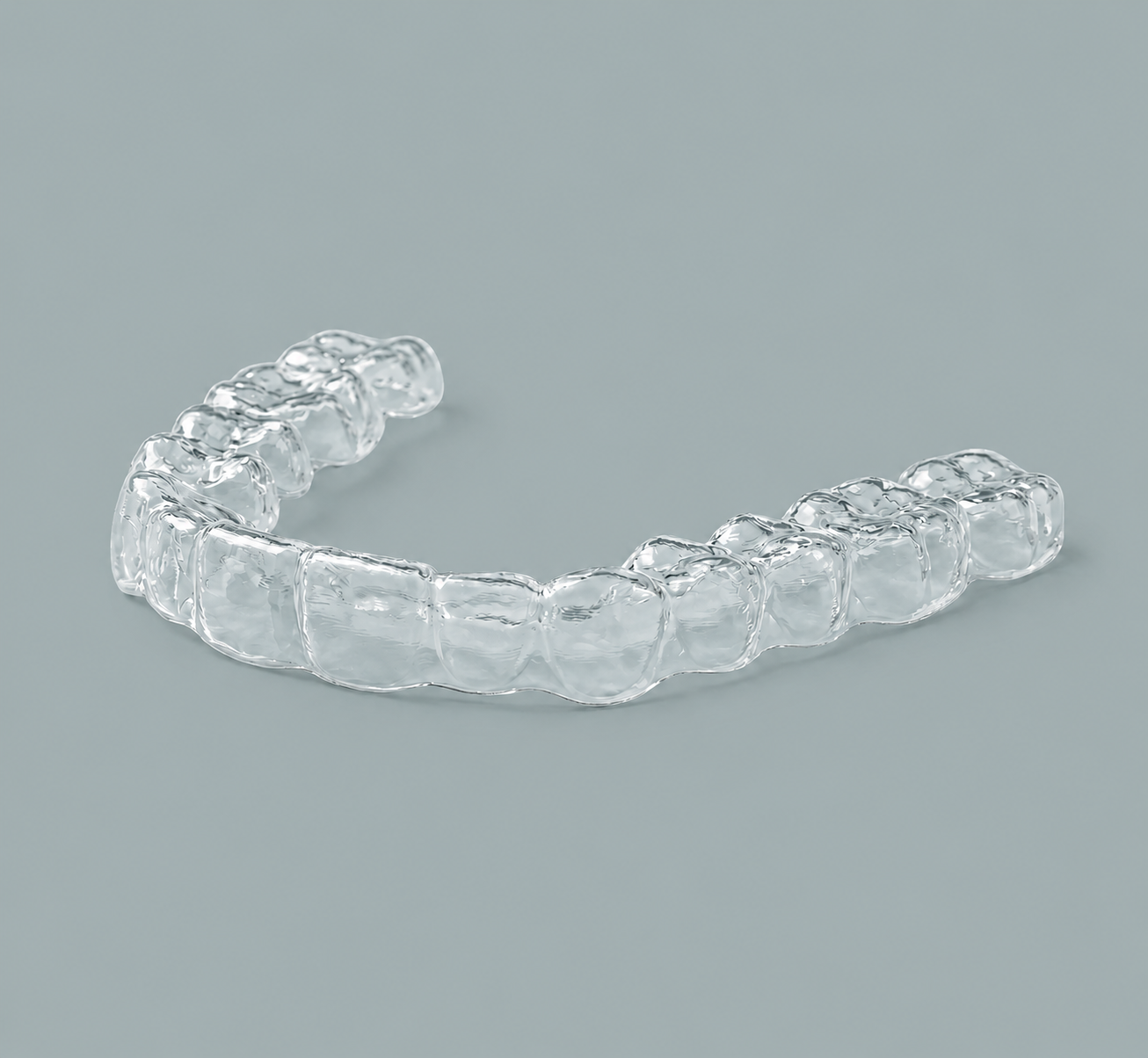
Aligner treatment
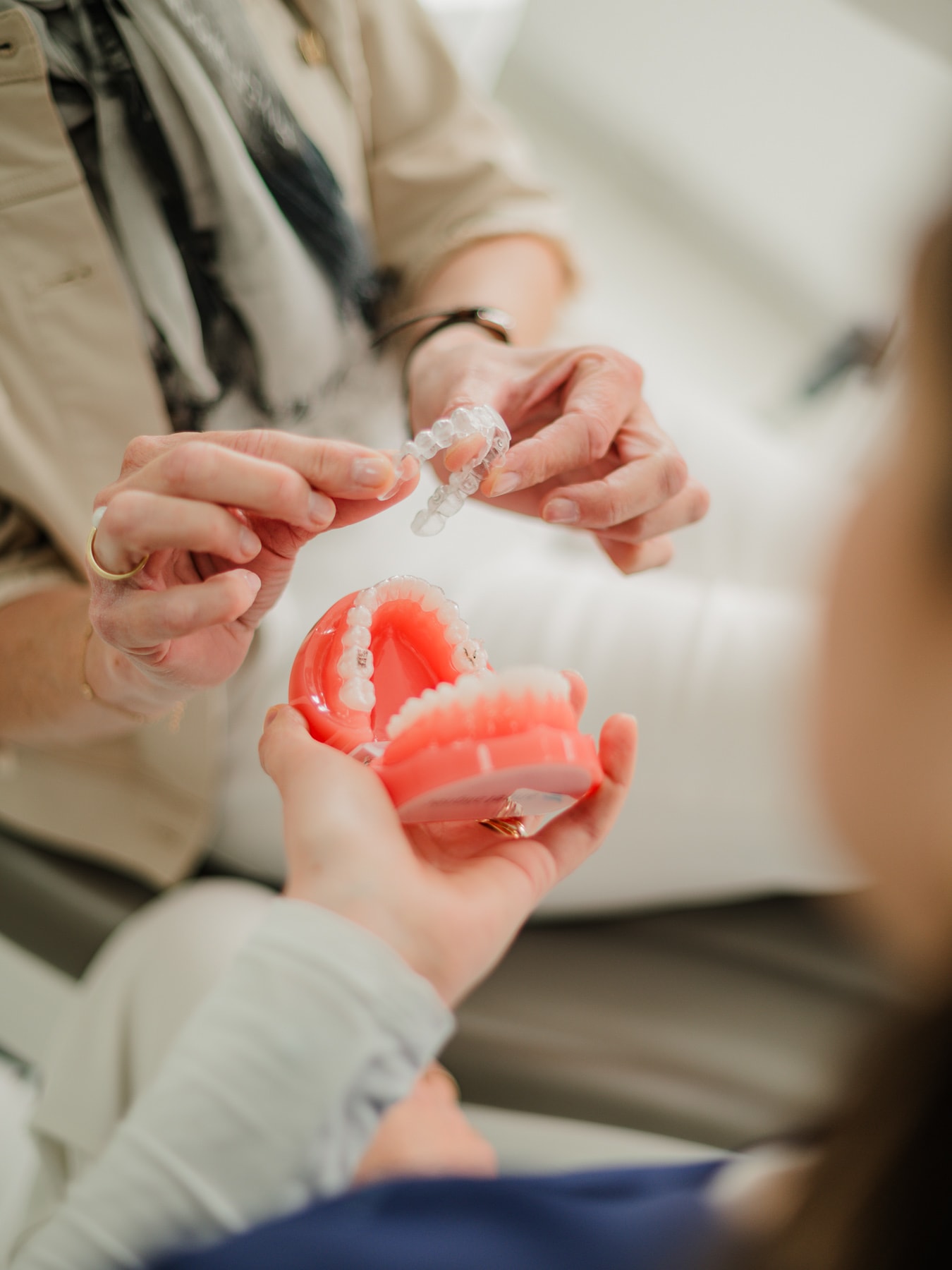
Removable, virtually invisible aligners that progressively correct tooth alignment. Ideal for teenagers and adults looking for a discreet solution.



The front teeth don't touch
Difficulty speaking or expressing yourself clearly
Poorly proportioned jaw width
Frequent mouth breathing
Teeth overlap due to lack of space
Some permanent teeth are missing
The lips are not in a harmonious position
The teeth are not well aligned
Removable, virtually invisible aligners that progressively correct tooth alignment. Ideal for teenagers and adults looking for a discreet solution.
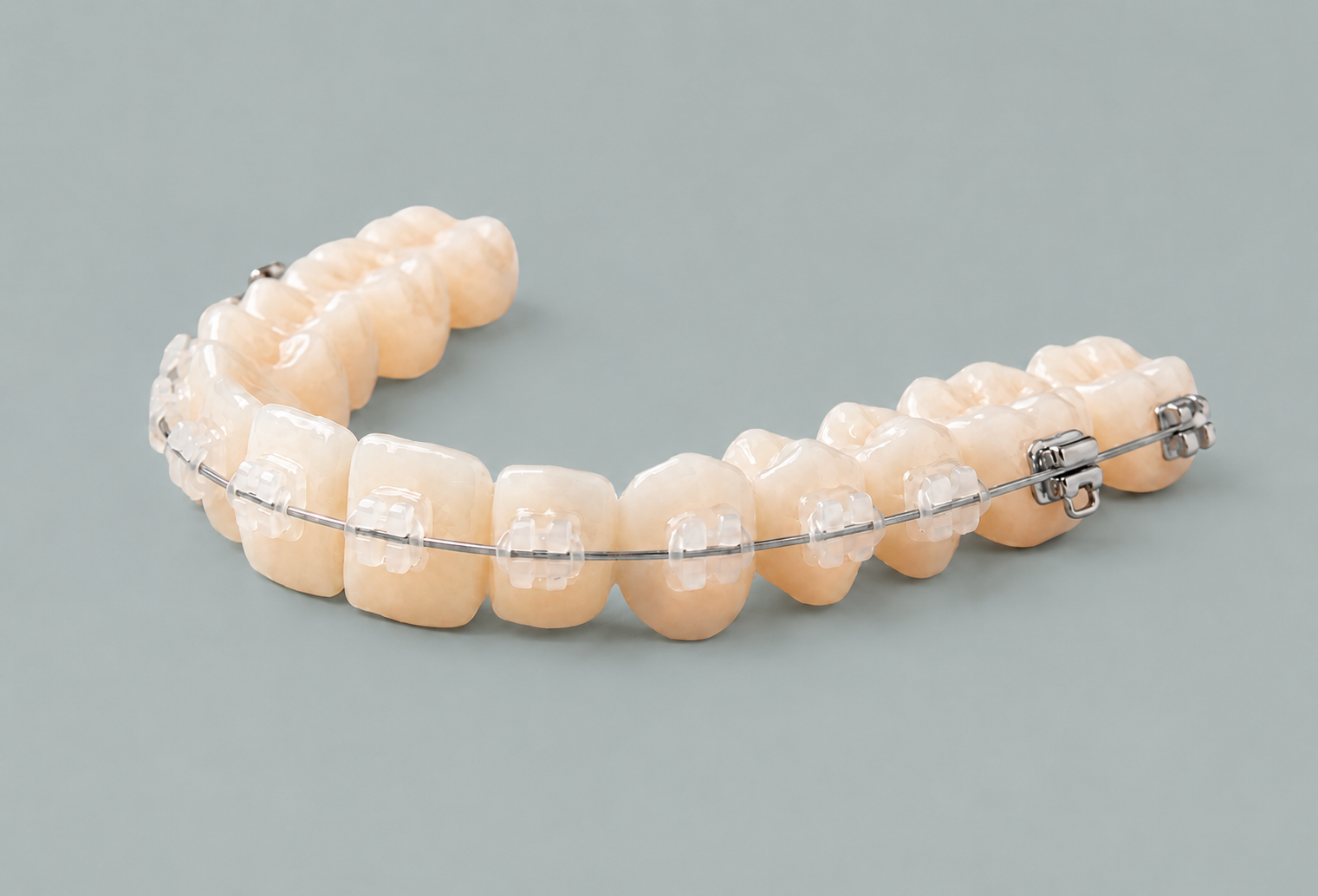
A fixed appliance whose brackets are close to the tooth color, making them much more discreet than metal braces, while offering the same effectiveness.
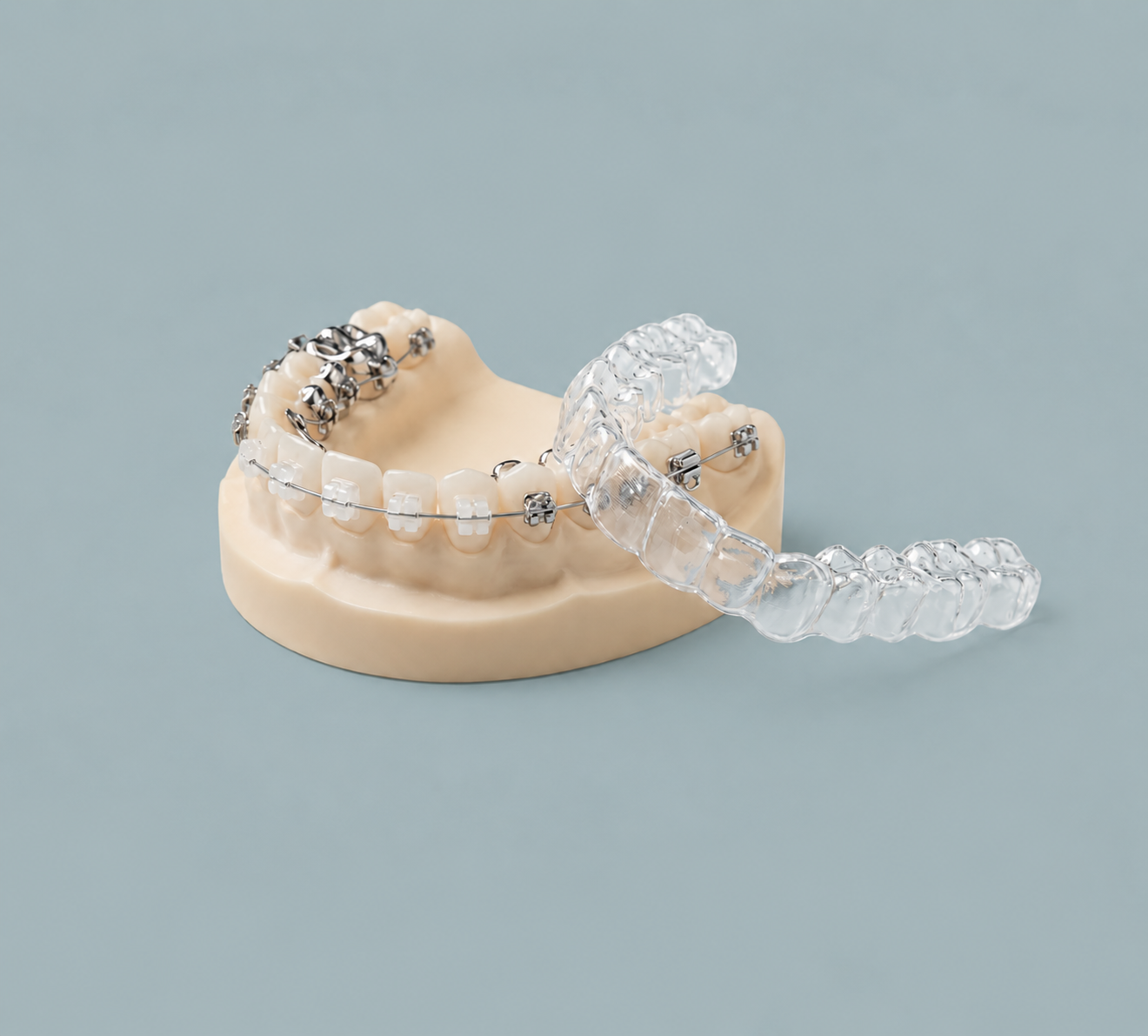
A personalized combination of different
orthodontic techniques to optimize both.
Each treatment follows a precise process, designed
to guarantee effectiveness and lasting results.
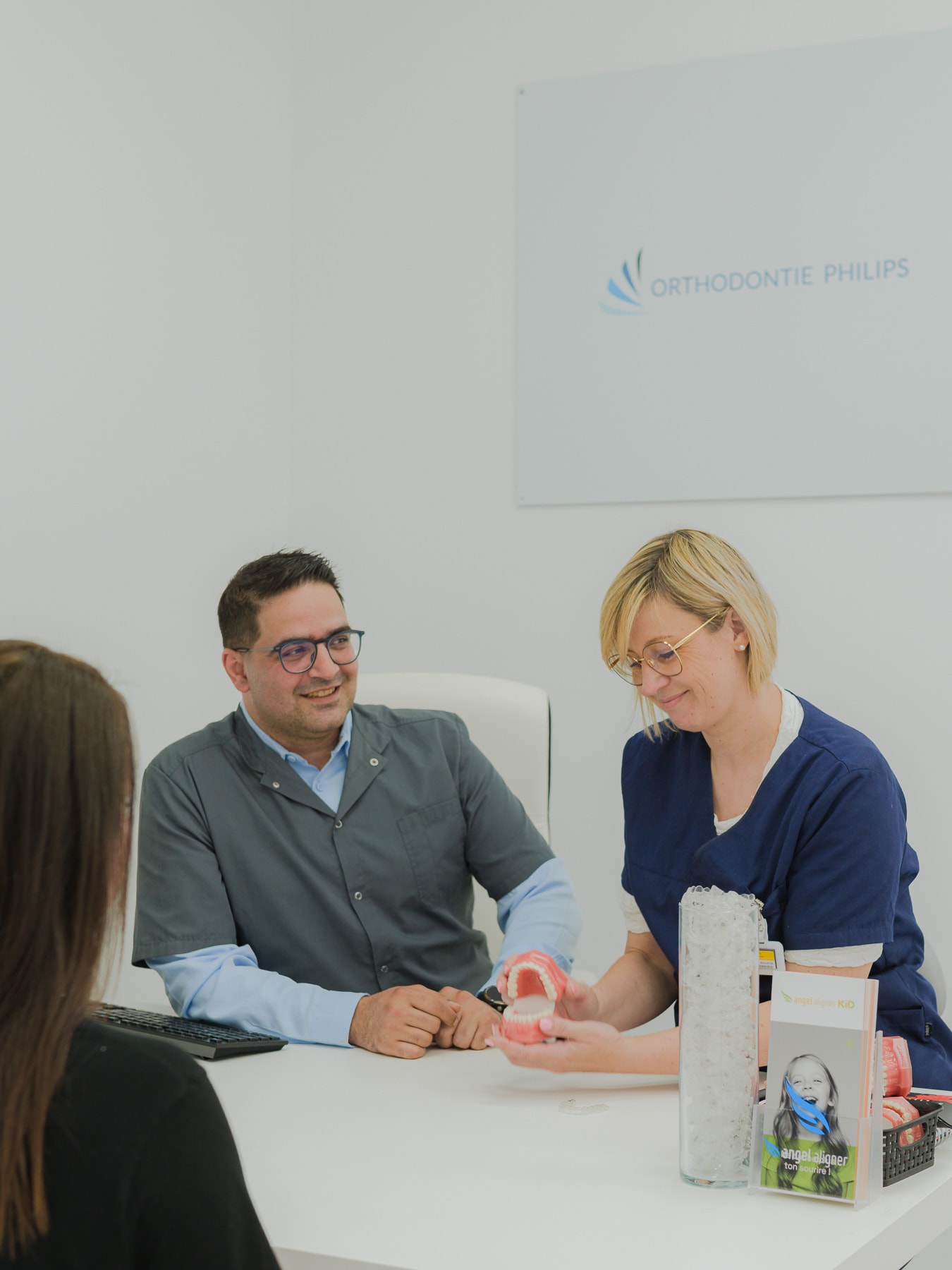
A thorough analysis and discussion of your expectations.
Development of a strategy tailored to your situation.
Checks and adjustments to ensure optimal progress.
A harmonious smile that lasts over time.
A thorough analysis and discussion of your expectations.
Development of a strategy tailored to your situation.
Checks and adjustments to ensure optimal progress.
A harmonious smile that lasts over time.
No, there is no difference; “tray” is the term commonly used in French (gouttière), while “aligner” comes from English.
The answer is yes. Aligners have already proven themselves with millions of patients worldwide, for more than 25 years now.
Aligner Kid is a treatment available for children from 7 to 14 years old
First appointment:
Consultation with the orthodontist, who will carry out a complete oral examination, including digital impressions of the mixed dentition, as well as photos and X-rays.
Personalized 3D treatment plan:
The orthodontist makes a diagnosis of the child’s jaws and teeth in order to propose a treatment plan.
The treatment plan is used to define the type of appliance needed, the estimated duration of treatment, as well as the specific goals to be achieved to improve the child’s oral health and the aesthetics of their smile.
Receiving the aligners and accessories:
Once your 3D treatment plan has been validated by the orthodontist, we will begin manufacturing the aligners.
You will receive the first set of aligners a few weeks later.
Wearing the aligners:
Aligners must be worn at least 22 hours a day and should only be removed before eating, brushing your teeth, or drinking hot beverages.
A beautiful smile to maintain:
Once treatment is complete, it is often recommended to wear retention aligners to keep the teeth well aligned.
For the first phases of aligner treatment, the treatment duration varies between 3 months and 1 year
Aligner Kid trays are made of a material with excellent flexibility, allowing the child to continue thriving as if nothing were different.
However, the child may feel slight discomfort in the days following the placement of new trays, as with fixed metal brace treatment.
This discomfort only lasts a short time and is entirely normal. It is the result of the work done by the trays, which put pressure on the teeth and ligaments to follow the planned alignment.
As with other types of appliances, aligners are mainly used for expansion (widening the jaws), aligning the teeth, and correcting a mismatch between the upper and lower teeth
Fees for treatments started before the age of 9 range between €800 and €1,200.
Health insurance funds reimburse up to a maximum of €1,200
These treatments are therefore fully covered
Contact us for more information.
The “Orthodontie Philips” practices offer the option of paying the total cost of treatment in several monthly installments, depending on the length of the treatment. Contact us for more information.
Interceptive treatments (i.e. treatments started before the age of 9 to correct malocclusions as soon as they appear and prevent problems from worsening) have been recognized by health insurance funds. The reimbursement is up to a maximum of €1,200, which covers all types of appliances.
These treatments are mainly available from orthodontists, as they address facial growth.
An orthodontist will have more experience treating all types of malocclusions.
Indeed, orthodontics requires 3 to 4 additional years of study. Moreover, since orthodontic specialists practice their discipline exclusively, their expertise and experience bring a clear advantage in terms of treatment quality and expected results.