Patient Advice and Answers to the Most Frequently Asked Questions

30 March 2026 Océane Dousteyssier
Patient Advice and Answers to the Most Frequently Asked Questions

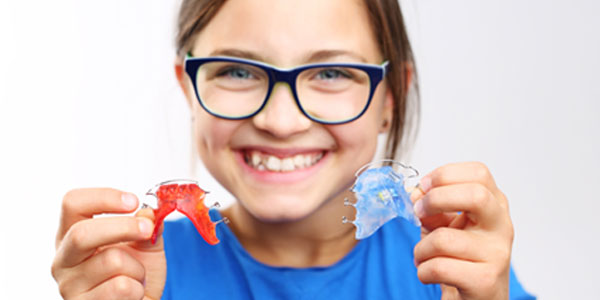
In the case of removable appliance treatment:

During the first few days:

A little patience and perseverance are needed to get used to the appliance. If worn 24 hours a day, the patient will very quickly forget it is even there. During the first few nights, the appliance may be removed unconsciously during sleep. After a few days, it will still be in place when waking up… To help get used to speaking with the appliance, we recommend reading aloud, and we encourage our young patients to give the note provided by the orthodontist to their class teacher, so that teachers can encourage children to keep the appliance in during class.

Caring for the appliance:

To keep it comfortable to wear, we recommend cleaning the appliance twice a day with a toothbrush and toothpaste. You can brush both the pink resin and the metal parts of the appliance. However, be sure to rinse it thoroughly and, above all, dry it with a tissue before putting it back in your mouth. This will keep it more comfortable to wear throughout the treatment.

If something is hurting:

The advantage of a removable appliance is that if a problem arises (a broken part… something hurting…), the appliance can be taken out. You can quickly get in touch with your orthodontic practice to resolve the issue. We will see you as soon as possible!

In the case of fixed appliance treatment:

After the appliance is fitted:

Once in place, the orthodontic appliance immediately starts acting on the teeth, which gradually begin moving in the desired direction. In fact, the appliance works 24 hours a day!

This movement can cause some sensitivity in the teeth. There’s no need to worry, this is normal! It usually lasts from a few days to a week. If it does become bothersome, a mild painkiller can be prescribed.

So it takes a few days to get used to having the appliance. In fact, this adjustment phase is probably the hardest part of the whole treatment. You just need to be a little patient

4e3f314e8e5b5766e4a3d96e2464565432e6d73e

Here are some tips that may be useful to the patient:

  1. The appliance irritates or hurts the inside of the mouth: we gave you an orthodontic kit after the appliance was fitted, which includes a small box of wax. This is used to cover the parts of the appliance causing irritation. To do this, after washing your hands thoroughly, take a good piece of wax, warm it up with your fingertips, swallow any saliva, then shape the wax around the areas causing irritation. Feel free to use it whenever you need to! If you use a lot of it, don’t forget to ask us for more at your next appointment!
  2. Sensitive teeth!: This can happen in the first few days… The less lucky ones will keep this sensitivity for a good week, while others won’t feel any “pain” at all. To relieve this sensation, we recommend taking a painkiller whenever needed. We also advise eating suitable meals, meaning foods that require less chewing.
  3. The wire has come out of the band: it’s poking! : The first wire is flexible, to start gently and carry out an initial phase of tooth alignment. This wire bends easily and can therefore come loose from the band if food gets underneath it or if brushing is too vigorous. You can put it back into the small hole of the tube welded to the band (see diagram above), using tweezers to make it easier. This minor inconvenience usually happens at the start of treatment…
  4. Something has come loose: Despite the precautions you take to avoid damaging the appliance, a part may come loose. If it’s a bracket: there’s no urgency! Let us know by phone and we’ll move your next appointment forward. If it’s a band or tube placed on the last tooth: don’t hesitate to contact us! We’ll bring your scheduled appointment forward to re-cement the band, as it’s the last part of the appliance and could cause discomfort. Don’t forget to use wax if the band has come off and the wire is poking your cheek. However, if the band is loose but still moving, it’s better to leave it on the tooth rather than remove it, as the wire will stay in place.
  5. Later in treatment: wearing elastics: this can be uncomfortable, even painful, during the first few days. However, it’s best to keep wearing the elastics, as this feeling will go away after a few days. Stopping the elastics after a few hours and then starting again will only prolong the feeling of pain in the teeth. It is also important to wear the elastics according to the orthodontist’s instructions, in order to properly work on the dental occlusion and the relationship between the teeth of both arches.

Let's discuss your needs together

An initial consultation to understand your needs, answer your questions, and discuss the treatment solution that best suits you.

Book an appointment